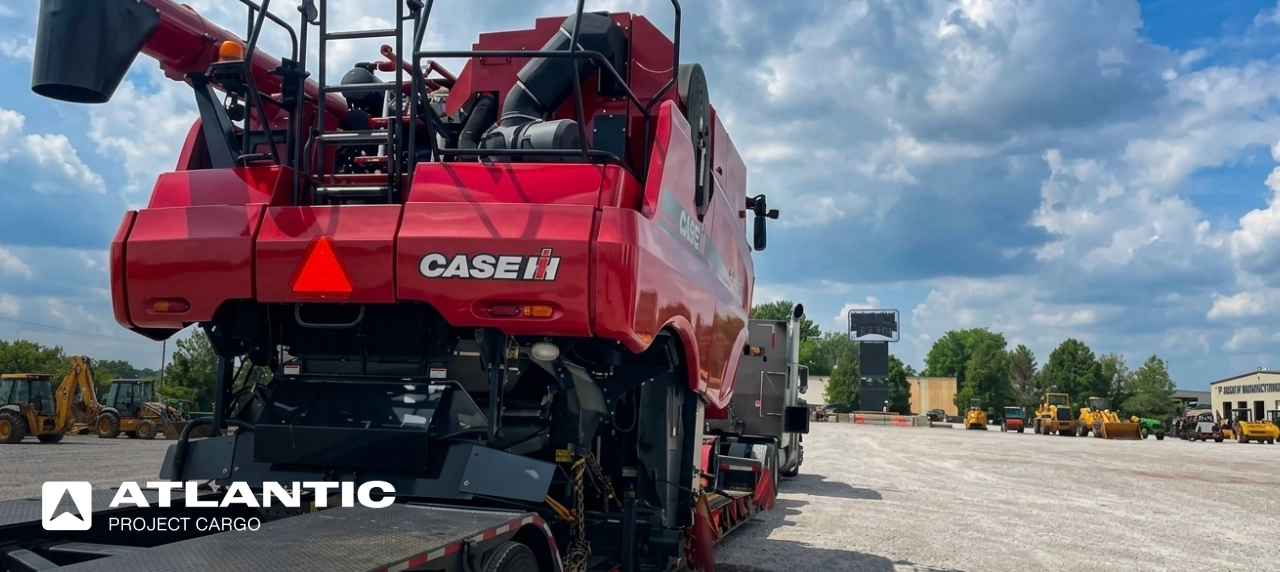
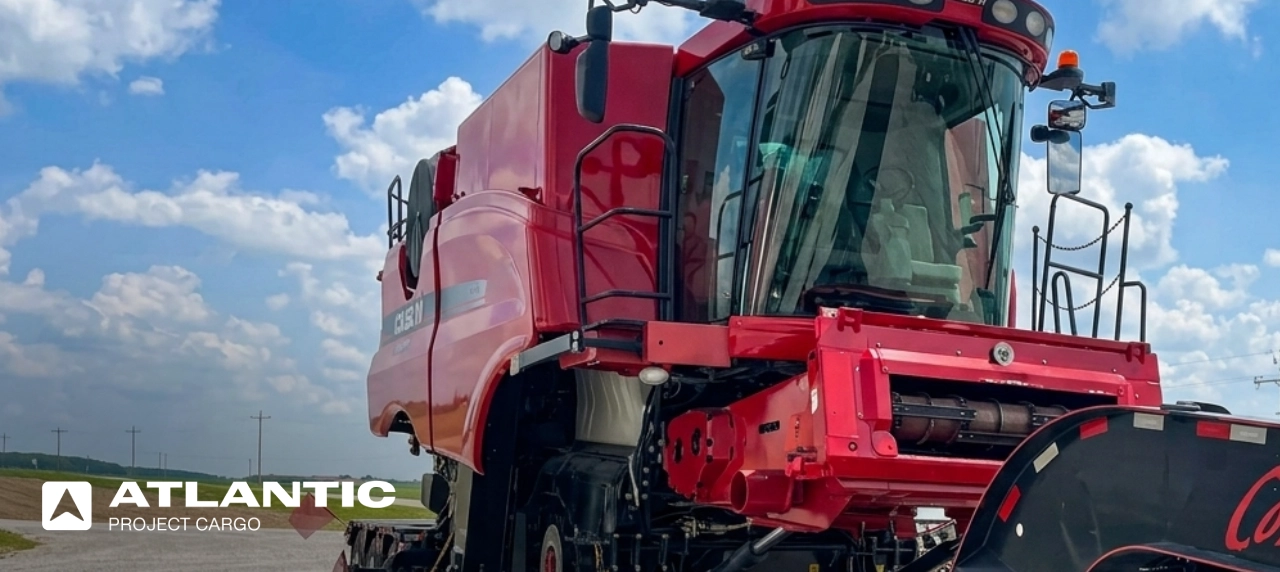
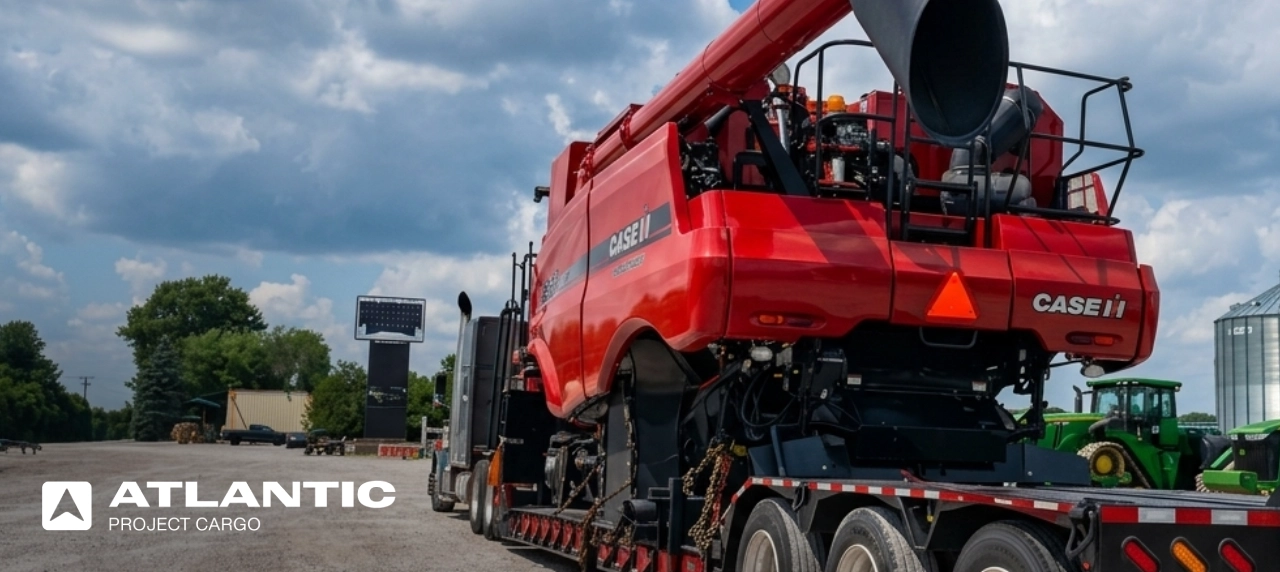
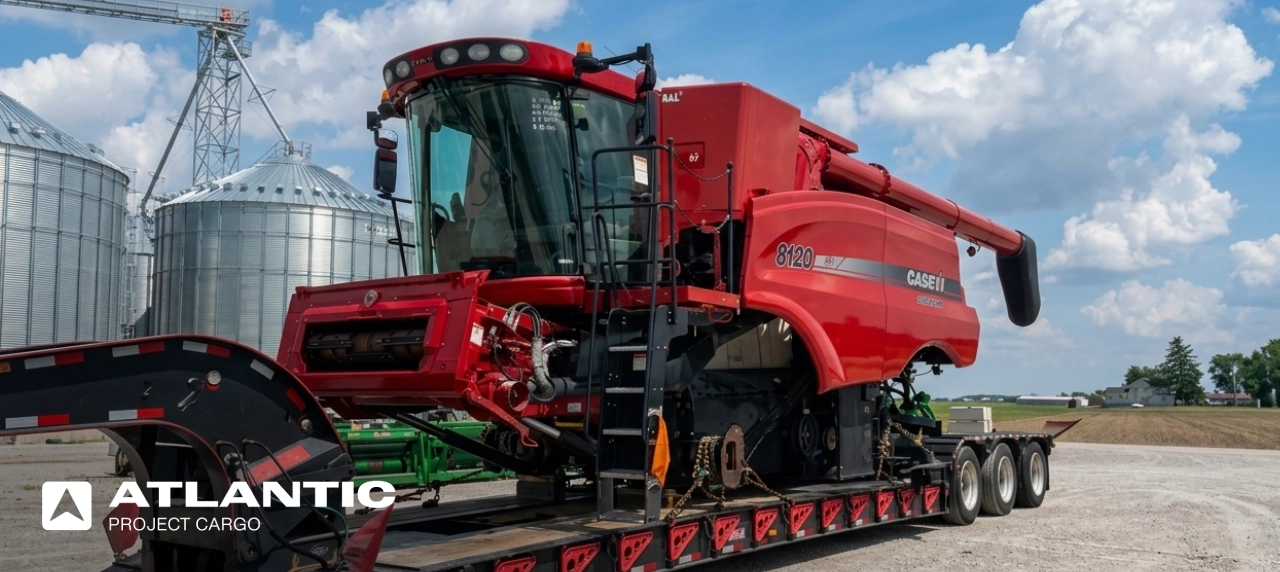
Case IH 8120 Combine Shipping from the USA to Egypt Shipped USA → Egypt
International transport of a Case IH 8120 Axial-Flow combine from Albany, Georgia to Alexandria, Egypt, including inland pickup, equipment preparation, flat rack loading, export documentation, ocean freight, and destination coordination.
Equipment
2012 Case IH 8120 Axial-Flow Combine with grain header
Cargo Type
Agricultural Equipment / Grain Combine Harvester
Total Timeline
38 days, pickup in Georgia to final delivery in Ismailia
Method
Ocean Freight
Worldwide Shipping
Americas · Europe · Asia Pacific · Africa
100,000+
Shipments Worldwide
20+ Years
In Heavy Cargo Logistics
4.9 Rating
on Google · 50+ reviews
Licensed Freight Forwarding Company
Home
Projects
Case IH 8120 Combine Shipping from the USA to Egypt Shipped from USA to Egypt
This case follows the export of a used 2012 Case IH 8120 Axial-Flow combine from Albany, Georgia, sourced through JumboBee for a buyer in Ismailia Governorate, Egypt. Atlantic Project Cargo coordinated the shipment from pickup in Georgia through delivery in Egypt.
The Case IH 8120 is a Class 7 single-rotor grain combine, and its weight, height, and separate grain header called for a planned inland move, flat rack ocean freight, and a specific cargo-securing arrangement. Because the machine was used agricultural equipment that had been operated in the field, preparing it for export meant more than a standard equipment move. The feeder house, rotor and concave area, cleaning shoe, grain tank, residue system, and undercarriage all needed cleaning before the combine could travel, and Egypt’s import documentation had to be lined up before the vessel arrived.
This case study covers how APC planned and executed that shipment, from the Georgia pickup to final delivery near Ismailia.
Shipping Overview
Equipment2012 Case IH 8120 Axial-Flow Combine with grain header
ComplianceHeavy haul, route and permit planning, equipment preparation, header removal and securing, cleaning coordination, flat rack loading, blocking and bracing, cargo securing, U.S. export documentation, ocean freight coordination, Egyptian import documentation coordination, customs broker coordination, and destination delivery.
Total Timeline38 days, pickup in Georgia to final delivery in Ismailia
APC coordinated documentation with the Egyptian importer and the destination customs broker, and coordinated cleaning and inland trucking through third-party providers. Where a government authority or another provider performed inspection, registration, or certification, that work is described as theirs, not as an APC-issued approval.
Key Takeaways
A Class 7 combine needs equipment-specific planning. The Case IH 8120 is a single-rotor Axial-Flow combine with a separate grain header, an unloading auger, and a large residue system at the rear. With an operating weight of roughly 35,000–36,000 lbs without the header and a transport height of around 13 feet, its size shaped every stage of the move, from trailer selection to flat rack positioning.
Inland pickup started the project. The combine had to be collected from a farm in Dougherty County, near Albany, and moved about 195 miles to the Port of Savannah. That meant reviewing the machine’s transport dimensions and route before pickup and arranging oversize-load permits for width and height.
A used grain combine needs targeted pre-export cleaning. A combine is built to take in, thresh, and separate crop material. Its feeder house, rotor cage, rock trap, sieves, grain tank, and chopper routinely retain grain, chaff, straw, seeds, and soil in areas that are not visible in a routine walk-around.
Egyptian import documentation had to be coordinated ahead of arrival. Egypt processes ocean cargo through an advance cargo information system, and the required shipment and invoice details were prepared and shared with the Egyptian importer and its customs broker before the vessel reached Alexandria.
Flat rack shipping matched the equipment’s shape. A combine of this size does not fit inside a standard container, so it was shipped on a 40-foot flat rack, positioned for ocean transport, and secured with blocking, bracing, and lashing suited to its weight and center of gravity. The header traveled separately on its own flat rack.
Alexandria to Ismailia closed out the shipment. APC coordinated the roughly 125-mile inland delivery from the Port of Alexandria to the buyer’s location near Ismailia, so the combine reached its final destination rather than stopping at the port.
Four Risks, Four Fixes
Oversized Inland Transport
A Class 7 combine has the weight, width, and height to affect trailer selection, road routing, permit requirements, overhead clearances, and delivery planning at the export port. The detached header adds a second oversize load.
Route and Heavy-Haul Planning
The combine’s transport dimensions were confirmed before pickup. The move was arranged on a double-drop lowboy trailer with a Georgia DOT oversize-load permit and a pilot escort vehicle for the roughly 195-mile run from Dougherty County to the Port of Savannah, primarily via US-19 and I-16. The header moved on a header trailer.
Grain, Chaff, and Soil in the Machine
A grain combine is built to feed, thresh, separate, and convey crop material. Grain, chaff, straw, weed seeds, and soil collect in the feeder house, the rotor and concave area, the rock trap, the cleaning shoe and sieves, the grain tank and unloading auger, the chopper and spreader, the rotary air screen and radiator area, and the undercarriage. Many of these areas are not visible during a routine inspection.
Detailed Pre-Export Cleaning
The combine and header were moved to a third-party equipment preparation facility near the port. There, access panels were opened, the grain tank and augers were emptied, and the machine was blown out with compressed air and pressure-washed to clear trapped grain, chaff, and soil, with a visual post-cleaning inspection documented in photos. Cleaning was carried out as standard export practice for used harvesting equipment. It addressed the visible risk of crop and soil material, and is not represented here as satisfying any specific Egyptian phytosanitary requirement, which sits with Egypt’s plant quarantine authority.
Incomplete or Late Import Documentation
Egypt processes ocean cargo through an advance cargo information system that requires shipment and invoice data before the documentation set can be finalized. Missing or inconsistent details can create delays in that process.
Pre-Shipment Documentation Coordination
APC assembled the commercial invoice, packing list, bill of lading, and certificate of origin, and coordinated the advance cargo information submission with the Egyptian importer and its customs broker well ahead of the vessel’s arrival, rather than filing or issuing any Egyptian regulatory approval directly.
Movement During Ocean Transport
The combine’s weight and high center of gravity, combined with the length and overhang of the header, mean both units need a specific securing arrangement to prevent movement on a flat rack during ocean transport.
Flat Rack Loading and Cargo Securing
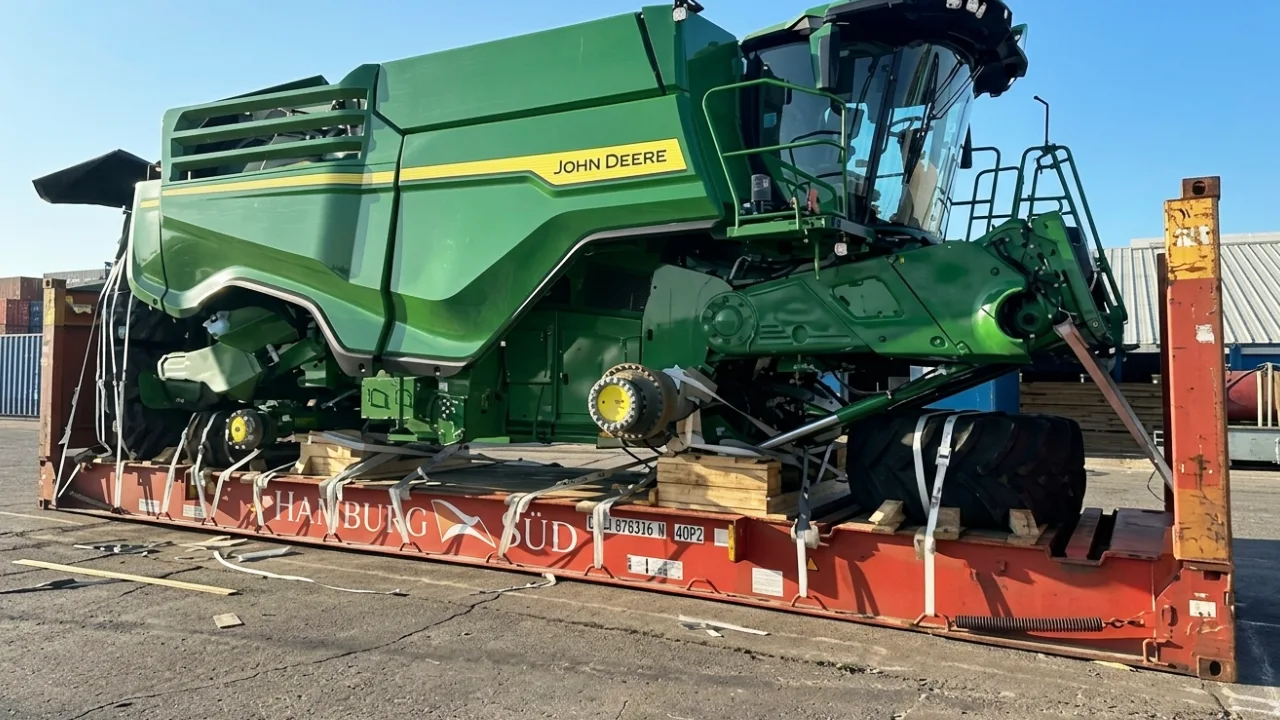
The combine was centered on the flat rack, chocked at the wheels, and secured with rated chain lashings anchored to the rack’s lashing points, with timber blocking at the axles and padding at contact points to protect the bodywork. The header was set on timber cribbing and chained down on its own rack. A pre-sailing check of all restraints followed.
How the Timeline Played Out
JumboBee Sale Confirmed
Case IH 8120 sold to the buyer in Egypt.
Pickup Planning
Dimensions, weight, route, trailer, and permit requirements reviewed for the combine and header.
Inland Transport
Combine and header collected from Albany and transported roughly 195 miles to the Port of Savannah.
Equipment Cleaning & Preparation
Grain, chaff, straw, and soil removed from the feeder house, rotor area, cleaning shoe, grain tank, residue system, and undercarriage.
Documentation Coordination
Export and Egyptian import/shipment documentation coordinated before departure.
Flat Rack Loading
Combine and header positioned and secured on 40-foot flat racks.
Ocean Freight to Alexandria
Equipment shipped from Savannah to Alexandria via one Mediterranean transshipment.
Customs Release & Delivery
Import formalities completed and equipment delivered to Ismailia.
How Each Phase Was Handled
Pickup, Inland Transport, and Equipment Preparation
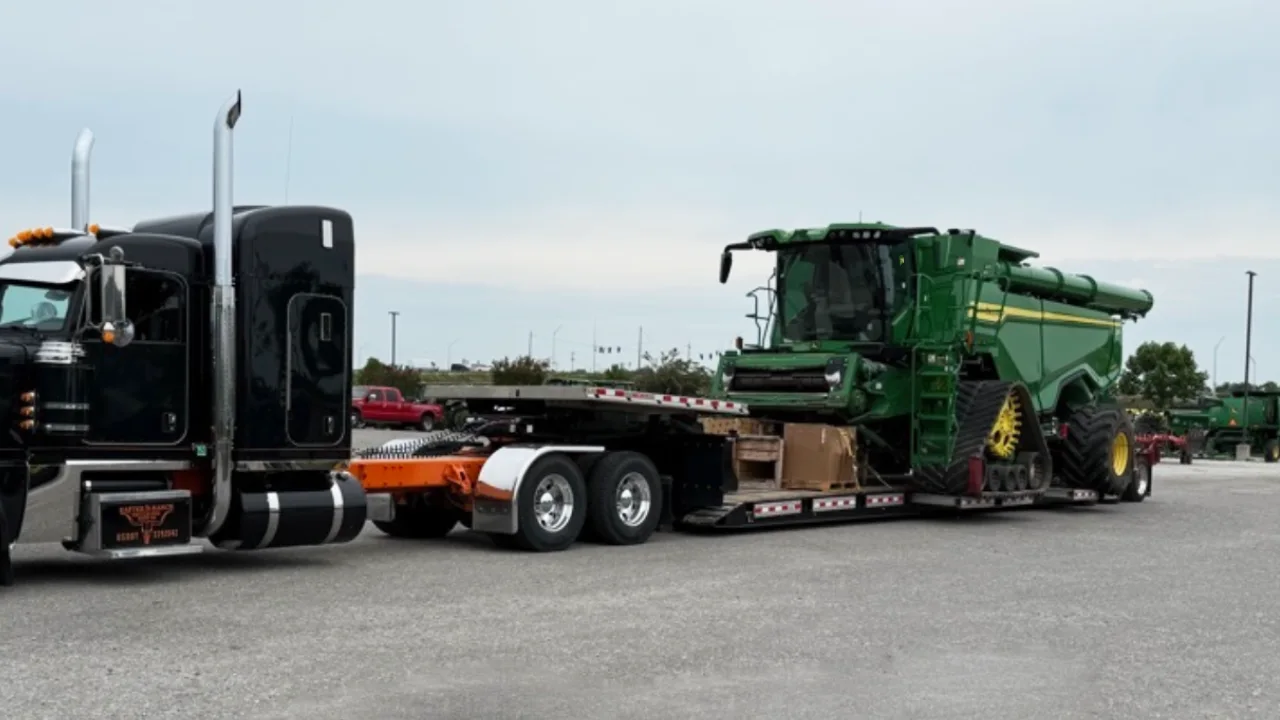
The Case IH 8120 was collected from a private farm in Dougherty County, near Albany, in used but operating condition. Before pickup, APC confirmed the machine’s transport dimensions, which were about 25 feet long, 12 feet 10 inches wide, and 13 feet 4 inches tall, at roughly 36,000 lbs, with the header detached. The grain header was removed and loaded separately; the unloading auger was folded and secured to keep the combine within its transport width. APC arranged a double-drop lowboy trailer with a Georgia DOT oversize-load permit and pilot escort for the roughly 195-mile run to Savannah. In Savannah, the combine and header went directly to a third-party preparation facility to begin cleaning ahead of export.
A grain combine is designed to feed, thresh, separate, and convey crop material, and this one had accumulated grain, chaff, straw, and soil in its feeder house, rotor and concave area, rock trap, cleaning shoe, grain tank, chopper, and undercarriage. APC coordinated a third-party equipment preparation provider to open access panels, empty the grain tank and augers, blow out internal areas with compressed air, and pressure-wash the exterior, undercarriage, wheel wells, and header, with a visual post-cleaning inspection documented in photos. In parallel, APC assembled the export document package – commercial invoice, packing list, bill of lading, and certificate of origin – and coordinated the Egyptian import side with the buyer’s customs broker, including the advance cargo information submission that Egypt requires through the Nafeza platform ahead of vessel arrival. That submission and any plant-quarantine review of the equipment were handled by the importer’s broker and the relevant Egyptian authority. APC’s role was to supply accurate shipment data and documentation in time to support it, not to issue or approve it.
Flat Rack Shipping, Alexandria Arrival, and Delivery
The combine was delivered to the Port of Savannah and loaded onto a 40-foot flat rack, centered for weight distribution and secured with chain lashings, axle blocking, and corner padding. The header was cribbed and chained on a second flat rack, followed by a pre-sailing restraint check of both units. Export formalities were completed ahead of the cut-off, and the cargo sailed to Alexandria with one transshipment in the Mediterranean, a transit of about 24 days. On arrival, the importer’s customs broker handled inspection and clearance, and the shipment moved through without additional documentation requests or port storage charges. APC then coordinated the roughly 125-mile inland delivery from Alexandria to the buyer’s location near Ismailia. Work performed by the inland carrier, the cleaning provider, the terminal operator, the ocean carrier, the Egyptian importer, its customs broker, and Egyptian authorities is described here as each party’s own role, distinct from APC’s coordination of the shipment.
Atlantic Project Cargo coordinates international transport for combines, tractors, harvesters, and other agricultural machinery, including US pickup, equipment preparation, flat rack shipping, export documentation, ocean freight, and destination coordination.
01Equipment saleCase IH 8120 sold through JumboBee to the Egyptian buyer.2 days
02Shipment planningDimensions, weight, route, trailer requirements, and destination requirements reviewed.Same 2 days, in parallel
03PickupCombine and header collected from a farm in Dougherty County, near Albany, Georgia.1 day
04Inland transportEquipment transported roughly 195 miles to the Port of Savannah.1 day
05Equipment preparationHeader detached; unloading auger folded and secured.1 day
06CleaningGrain, chaff, straw, and soil removed from the feeder house, rotor area, cleaning shoe, grain tank, residue system, and undercarriage.3 days
07DocumentationUS export and Egyptian import/shipment documentation coordinated.3 days, in parallel with cleaning
08Flat rack loadingCombine and header positioned on 40-foot flat racks.1 day
09Cargo securingEquipment blocked, braced, and restrained for ocean transport.Same day
010US exportCargo delivered to port and released for sailing.1 day
011Ocean freightCombine shipped to Alexandria via one Mediterranean transshipment.24 days
012Import formalitiesDestination documentation, inspection, and customs procedures completed.4 days
013Final deliveryEquipment transported roughly 125 miles from Alexandria to Ismailia.1 day
Total timelineAlbany pickup through final delivery in Egypt38 days
Result
The Case IH 8120 was collected in Georgia, cleaned and prepared for export, loaded and secured for flat rack ocean transport, and shipped to Alexandria. Import documentation was in place before the vessel arrived. The shipment cleared without additional document requests or port storage charges, and APC coordinated the final delivery to the buyer’s location near Ismailia.
38-Day Total Timeline
Pickup in Georgia through final delivery in Ismailia
Documentation Completed Before Sailing
Export and Egyptian import documentation in place ahead of vessel arrival
No Additional Cleaning Required
Pre-export cleaning of the feeder house, rotor area, cleaning shoe, grain tank, residue system, and undercarriage passed without follow-up requests
Delivered to Ismailia
APC coordinated the inland leg from Alexandria to the buyer’s location, not just port-to-port transport
All success stories
New Holland CR9060 Combine Shipping from the USA to Peru
Time:34 days, pickup in California through delivery in Peru
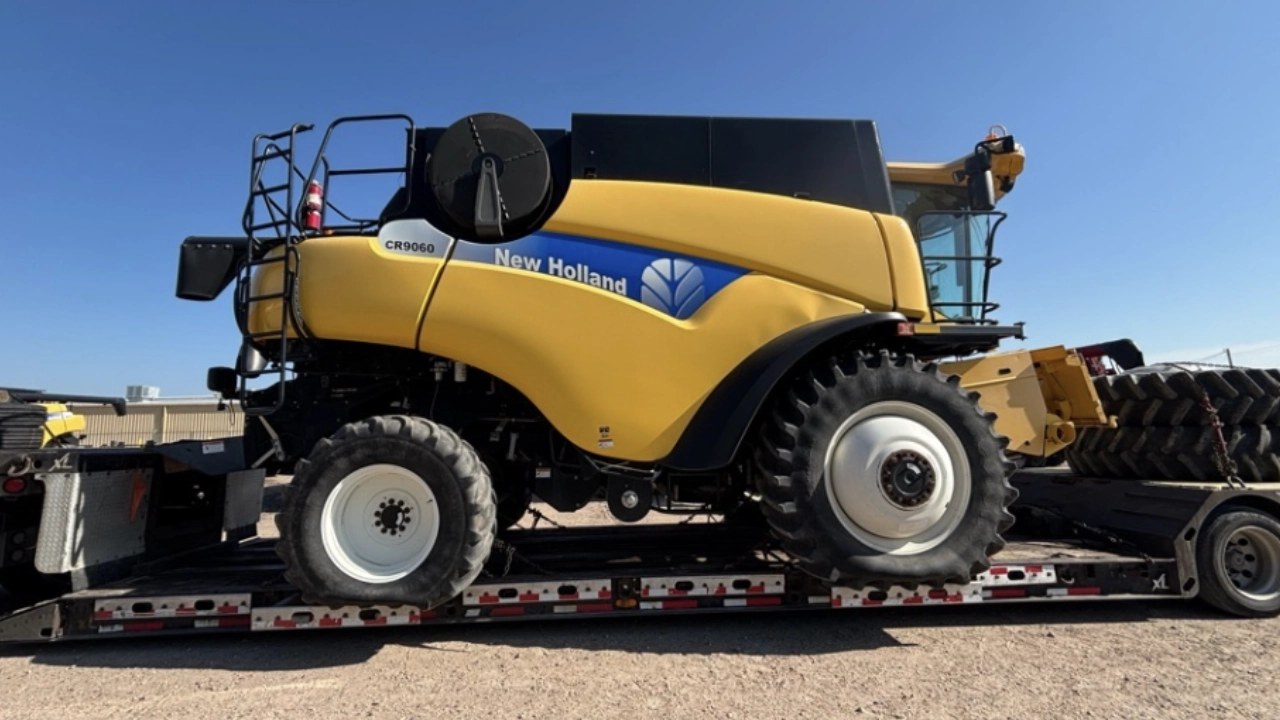
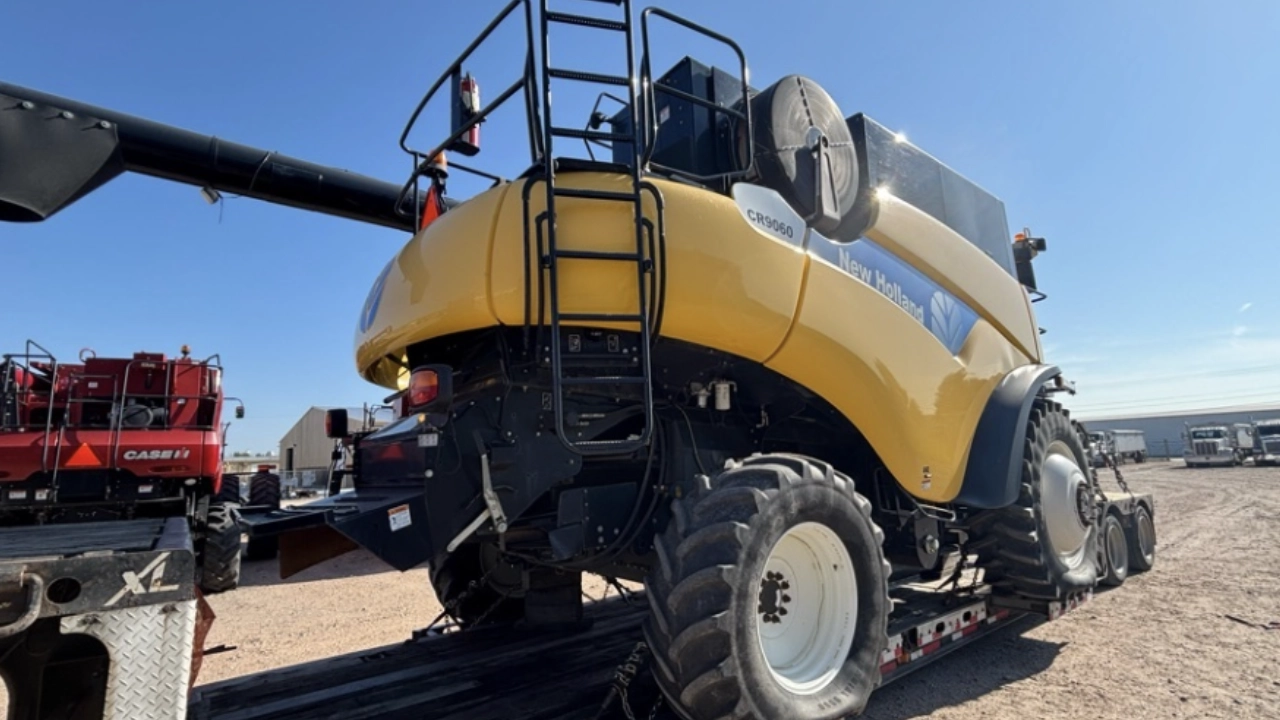
The New Holland CR9060 was purchased through JumboBee by an agricultural operation on Peru’s north coast, with Atlantic Project Cargo coordinating the international transport from California to the buyer’s destination. The machine was located in the Sacramento / Central Valley area and needed to reach a grain-producing operation near Chiclayo, in the Lambayeque region of […]
Jaguar XJ220 Air Freight from New York to Singapore
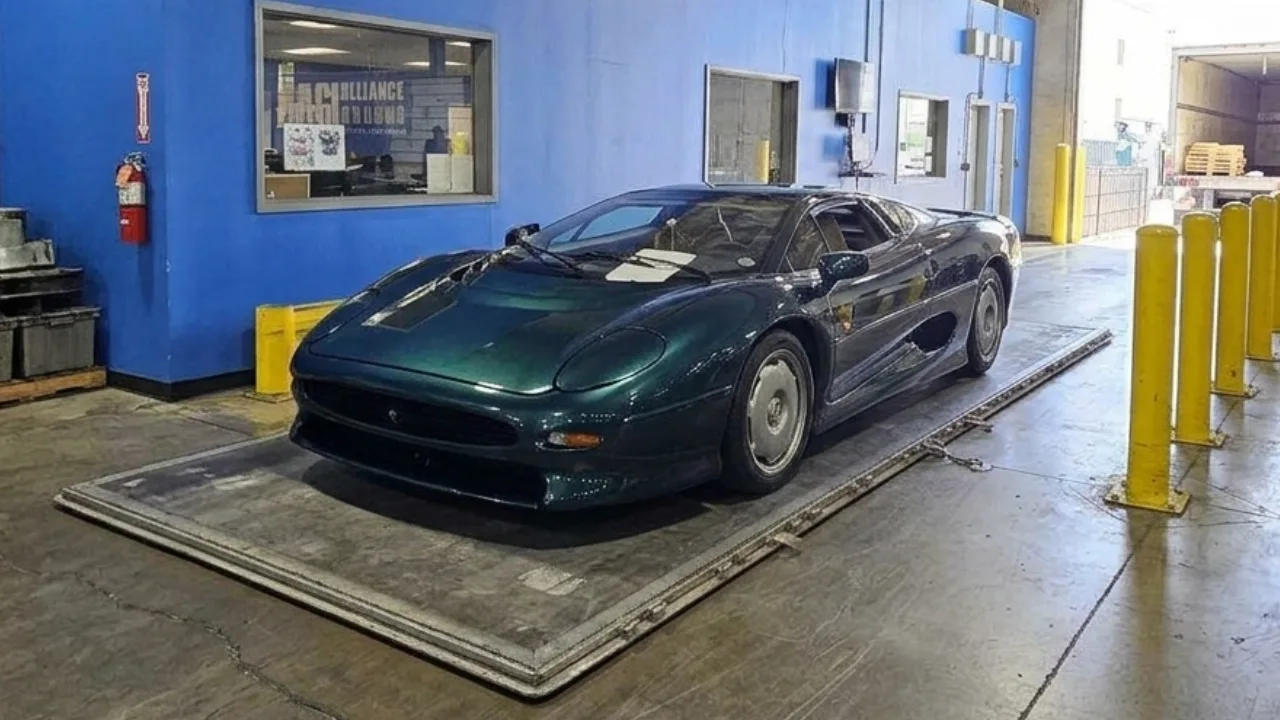
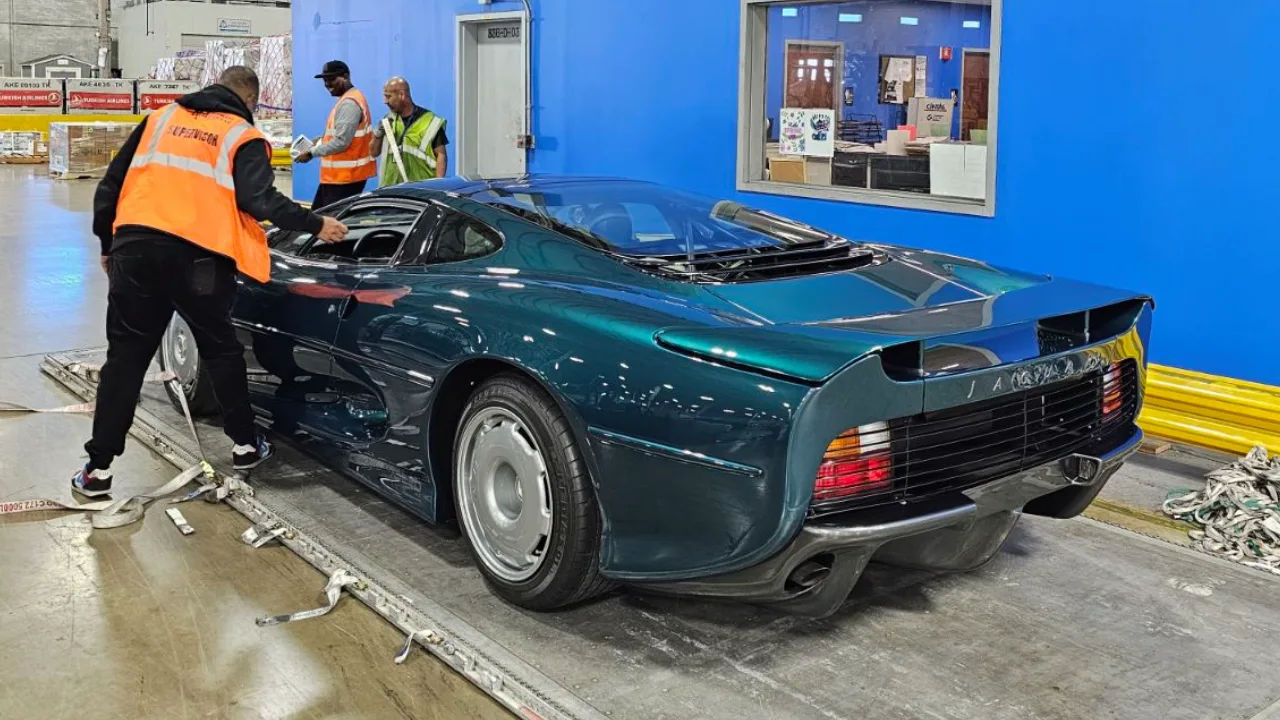
This case follows the air freight of a Jaguar XJ220 from New York to Singapore, departing from John F. Kennedy International Airport. Air freight was chosen for a vehicle of this value and rarity because it shortens the door-to-door timeline and keeps the car out of the marine environment, though it comes with its own […]
John Deere X9 1100 Combine Shipping – USA to New Zealand
This John Deere X9 1100 combine was sold to an arable and cropping operation in Canterbury, New Zealand, with the machine located in Fargo, North Dakota. A combine of this size doesn’t travel in its field-ready configuration: the header had to come off and the unloading auger folded before the machine could move by road […]
What are You Searching for?
Atlantic Project Cargo uses cookies to enhance your website experience. By continuing to browse, you agree to our use of cookies. For more information, please visit our Privacy Policy.